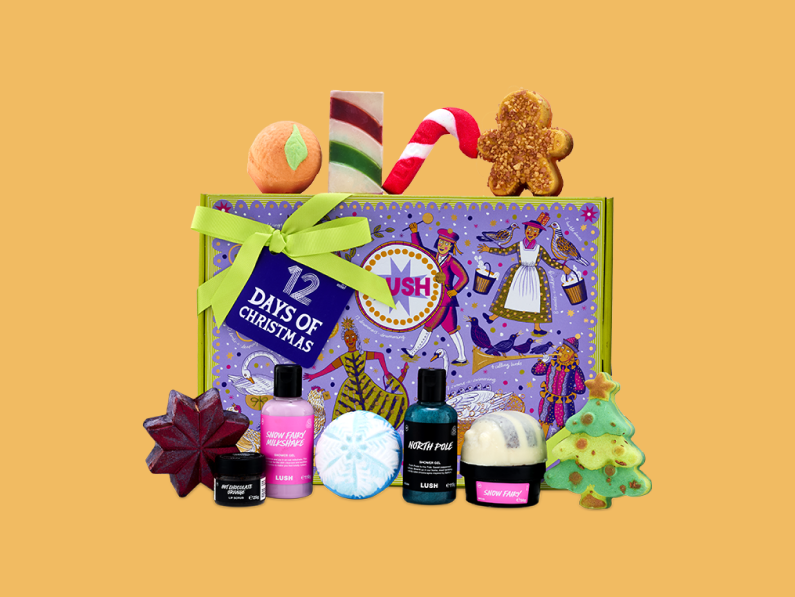
Let's be honest about holiday countdowns. Most of the cardboard boxes lining store shelves every autumn are packed with waxy, tasteless chocolate that you wouldn't eat on a random Tuesday in July. You pay twenty bucks for clever packaging, open three doors, get bored, and suddenly it's December 19th and you're eating six stale squares at once just to clear counter space.
That's the trap. But over the last decade, the Advent calendar market has completely transformed from a cheap novelty for kids into a legitimate category for adults who actually care about what they consume, wear, or use. Whether you want specialty coffee roasted to order, European skincare worth double the retail price, or miniature bottles of single-malt whisky, there's a countdown box built for you. The trick is knowing which brands stuff their boxes with filler samples and which ones deliver genuine value.
The History Behind the Cardboard Doors
Before brands started cramming $300 worth of serum into numbered drawers, the tradition was remarkably simple. It started in 19th-century German Protestant households. Families would mark off the days leading up to Christmas by burning a candle each evening or drawing chalk lines on their front doors.
A printer named Gerhard Lang changed everything in the early 1900s. Inspired by a childhood memory where his mother sewed 24 tiny cookies onto a piece of cardboard so he could eat one a day, Lang produced the first printed Advent calendars in Munich. By the 1920s, he had introduced little opening doors, though the chocolate-filled versions didn't become mainstream until the 1950s. Understanding that origin explains why the best modern versions still work—it's never really been about the size of the gift. It's about forcing yourself to pause for thirty seconds every morning in December before the chaos of the day takes over.
How to Spot a Rip-Off Before You Buy
If you're shopping for a luxury or specialty calendar this season, you need to look past the gold foil embossing. Brands love using Advent calendars to offload dead inventory. Here is how to separate the great ones from the marketing gimmicks.
First, check the "value" claim against what you'll actually use. Beauty brands are notorious for advertising "$500 worth of product for $150!" When you read the fine print, half that value comes from a full-size eyeliner in an unwearable shade of neon blue and twelve microscopic foil packets that hold barely enough moisturizer for one cheek. Look for calendars that disclose the exact milliliter or gram weights of every item inside.
Second, pay attention to sell-out timelines. The legitimately good calendars—especially in food, drink, and toys—rarely make it to Black Friday. Companies produce them in strict, limited runs because assembling 24 distinct items by hand is a logistical nightmare. If a heavily advertised calendar is sitting at 50% off during the first week of December, there's usually a reason nobody bought it at full price.
The 10 Best Advent Calendars Worth Your Money
Instead of giving you a generic list of whatever happens to be in stock at big-box stores, I've broken down ten standout categories and specific releases that consistently earn their price tags.
1. Bonne Maman Limited Edition Advent Calendar
If you only buy one food calendar, make it this one. Bonne Maman has perfected the art of the low-stakes, high-reward morning ritual. Behind each door sits a miniature 1-ounce glass jar of jam, honey, or fruit spread.
You won't find standard grocery store strawberry here. They save their best experimental flavors for the calendar—think raspberry chocolate, caramel with cinnamon, sweet orange with passion fruit, and cherry with elderflower. At around $45 to $50, it's affordable enough to gift to a coworker or neighbor, and you end up with two dozen tiny glass jars that are endlessly useful for salad dressings or spice storage later. Just buy it early. It sells out every single year without fail.
2. Liberty London Beauty Advent Calendar
Beauty calendars have turned into an arms race, and Liberty London practically invented the modern luxury version back in 2014. While competitors fill boxes with their own in-house leftovers, Liberty curates products from the actual brands stocked in their iconic Tudor-style department store.
You get a heavy mix of full-size items alongside generous travel sizes from names like Augustinus Bader, Sunday Riley, Le Labo, and Byredo. Yes, it costs north of $300. That's a lot of cash upfront. Yet the total retail value consistently crosses the $1,000 mark, and because the curation leans toward cult-favorite skincare and niche fragrances rather than trendy makeup colors, almost everything inside is usable.
3. LEGO Star Wars or Harry Potter Advent Calendars
Toy calendars can easily devolve into piles of micro-plastic junk that get vacuumed up by New Year's Day. LEGO avoids this by leaning hard into exclusive holiday-themed minifigures that collectors actually want.
Every year, LEGO releases several themed boxes, with Star Wars, Harry Potter, and Marvel leading the pack. Behind the doors, you alternate between miniature builds—tiny starships, Hogwarts furniture, winter accessories—and exclusive minifigures wearing ugly Christmas sweaters or Santa hats. You can't buy these specific figures in regular retail sets. For kids, it's five minutes of quiet building before school. For adult collectors, it's an annual tradition that holds its value surprisingly well.
4. Drinks by the Dram Whisky Advent Calendar
Shopping for a spirits enthusiast is tough because they usually know exactly what they like and already own a bottle of it. Drinks by the Dram solves that problem by offering 24 wax-sealed, 30ml glass drams of whisky from distilleries around the world.
They offer several tiers depending on your budget, ranging from an "Explorer" edition to an "Old & Rare" box that costs thousands. The standard Scotch or World Whisky editions hit the sweet spot. You might pour a peaty Islay single malt on Tuesday, a smooth Japanese blend on Wednesday, and a spicy Kentucky bourbon on Thursday. It's a guided tasting course disguised as a holiday countdown, and you don't have to commit to a $90 bottle just to try something new.
5. Onyx Coffee Lab Advent Calendar
Most coffee calendars suffer from a fatal flaw: staleness. Coffee starts losing its volatile aromatics within weeks of roasting, so a calendar packed in September tastes like cardboard by December 15th.
Onyx Coffee Lab, an acclaimed specialty roaster based in Arkansas, tackles this head-on. They roast and pack their calendar as close to the shipping window as possible, sealing 24 different whole-bean coffees in nitrogen-flushed bags or tins to lock in freshness. Each day features a different origin, varietal, or processing method—from natural-processed Ethiopian beans that taste like blueberries to washed Colombian coffees with bright citrus notes. They even publish daily brew guides and tasting videos online so you can dial in your pour-over alongside thousands of other coffee nerds.
6. L'Occitane Classic Beauty Advent Calendar
Not everyone wants to drop three hundred dollars on skincare. If you want luxury bath and body products without the luxury department store price tag, L'Occitane hits a reliable middle ground around $80 to $90.
Their calendar focuses on what the French brand does best—shea butter hand creams, almond shower oil, verbena body lotion, and gentle cleansers. Because hand cream and lip balm are winter necessities rather than experimental beauty products, nothing goes to waste. Throw the tiny tubes in your coat pockets, gym bag, and car console, and you're set for dry winter skin through March.
7. Charbonnel et Walker or Vosges Haut-Chocolat
If you refuse to give up on the traditional chocolate Advent calendar, skip the drugstore aisle and go straight to a heritage chocolatier. Charbonnel et Walker, a British chocolatier founded in 1875 that holds a Royal Warrant, produces a stunning keepsake box filled with dark and milk chocolate truffles, sea salt caramels, and violet creams.
If you prefer bolder flavors, look at Vosges Haut-Chocolat out of Chicago. Their calendar leans into exotic spice pairings—think dark chocolate infused with ancho chili, ginger, or matcha. You get one or two rich, complex truffles per day rather than a thin, hollow mold. It satisfies the sweet tooth without feeling childish.
8. Wera Tools Advent Calendar
Who said December countdowns have to be cozy? Every year, German toolmaker Wera releases a heavy-duty Advent calendar aimed squarely at mechanics, DIYers, and gearheads.
Behind the doors, you don't get cheap novelty screwdrivers. You get legitimate, professional-grade bits, sockets, a stubby ratcheting screwdriver, and usually a limited-edition Wera bottle opener with their signature Kraftform handle. By December 24th, all the individual pieces snap together into a compact, zippered textile pouch that fits in a glovebox or kitchen drawer. It's practical, indestructible, and arguably the best gift on this list for someone who hates clutter.
9. Sugarfina Candy Bento Box Calendar
For people who prefer sour gummies and boozy bears over chocolate, Sugarfina owns the lane. Their calendar is styled like a giant, ornate holiday townhouse or apothecary chest with 24 pull-out drawers.
Inside each drawer sits a small packet of gourmet candy—champagne bears, peach bellini hearts, dark chocolate sea salt caramels, and tart apple frogs. Because the drawers are sturdy and slide out smoothly, people routinely keep the empty box and refill it with their own bulk candy or small trinkets the following year.
10. David's Tea 24 Days of Tea
Tea lends itself to the Advent format better than almost any other beverage because dry tea leaves stay fresh for months without losing flavor. David's Tea puts together a massive variety box containing 24 loose-leaf blends—two servings per tin or pouch, so you can actually share a pot with someone.
The lineup spans straight black and green teas, caffeine-free rooibos, spicy chais, and dessert-style herbal infusions like hot chocolate or candy cane. It turns your evening wind-down routine into a fun guessing game, especially if you skip reading the ingredient label until after your first sip.
Mistakes People Make When Buying and Using Them
Even when you buy a great calendar, a few common missteps can ruin the experience.
First, buying based on influencer unboxings. TikTok and Instagram are flooded with Advent calendar unboxings starting in October. Watching someone tear open all 24 doors in a 60-second video ruins the entire point of a countdown. If you're buying a calendar for yourself, stop watching spoiler videos the second you decide which one you want. Let the daily surprise actually be a surprise.
Second, forgetting about storage space. Luxury calendars are massive. Some of the beauty and spirits boxes weigh fifteen pounds and measure two feet tall. If you live in a small apartment with limited counter space, a giant decorative chest will quickly become an annoyance. Check the dimensions before ordering, or look for wall-hanging fabric calendars that stay out of the way.
Third, waiting until November 25th to shop. Retailers treat Advent calendars differently than regular holiday gifts. Once a production run sells out, they don't restock it because the window to use the product closes on December 1st. The sweet spot for buying is late September through the first week of November.
Making Your Own Without Making It Cheesy
Sometimes store-bought calendars miss the mark, especially if you're shopping for a partner with specific tastes or dietary restrictions. Building a custom calendar doesn't require a sewing machine or hours of crafting.
Buy a reusable wooden or canvas calendar with 24 numbered pockets or drawers—places like Crate & Barrel, Etsy, and Target sell sturdy ones every fall that last for decades. Then, set a strict budget per day, say $3 to $5. Mix consumable treats with tiny practical upgrades. Pair a few single-origin pour-over coffee packets with a nice pair of merino wool socks folded tightly, a travel-size hot sauce, a vintage postcard with a handwritten note, and a scratch-off lottery ticket.
Keep the items small enough that you aren't forcing clutter into someone's house. Consumables win every single time because they get used up and enjoyed in the moment.
Where to Start Right Now
If you're looking to grab one for this season, pick your lane immediately before inventory disappears. Decide whether you want a morning ritual (coffee, tea, or jam), an evening wind-down (whisky or chocolate), or a tangible collection (skincare, tools, or LEGO). Check the brand's direct website first rather than third-party marketplaces, where resellers frequently double the price once retail stock runs dry. Order it today, stash it in a closet until November 30th, and give yourself one small, guaranteed good moment every morning in December.