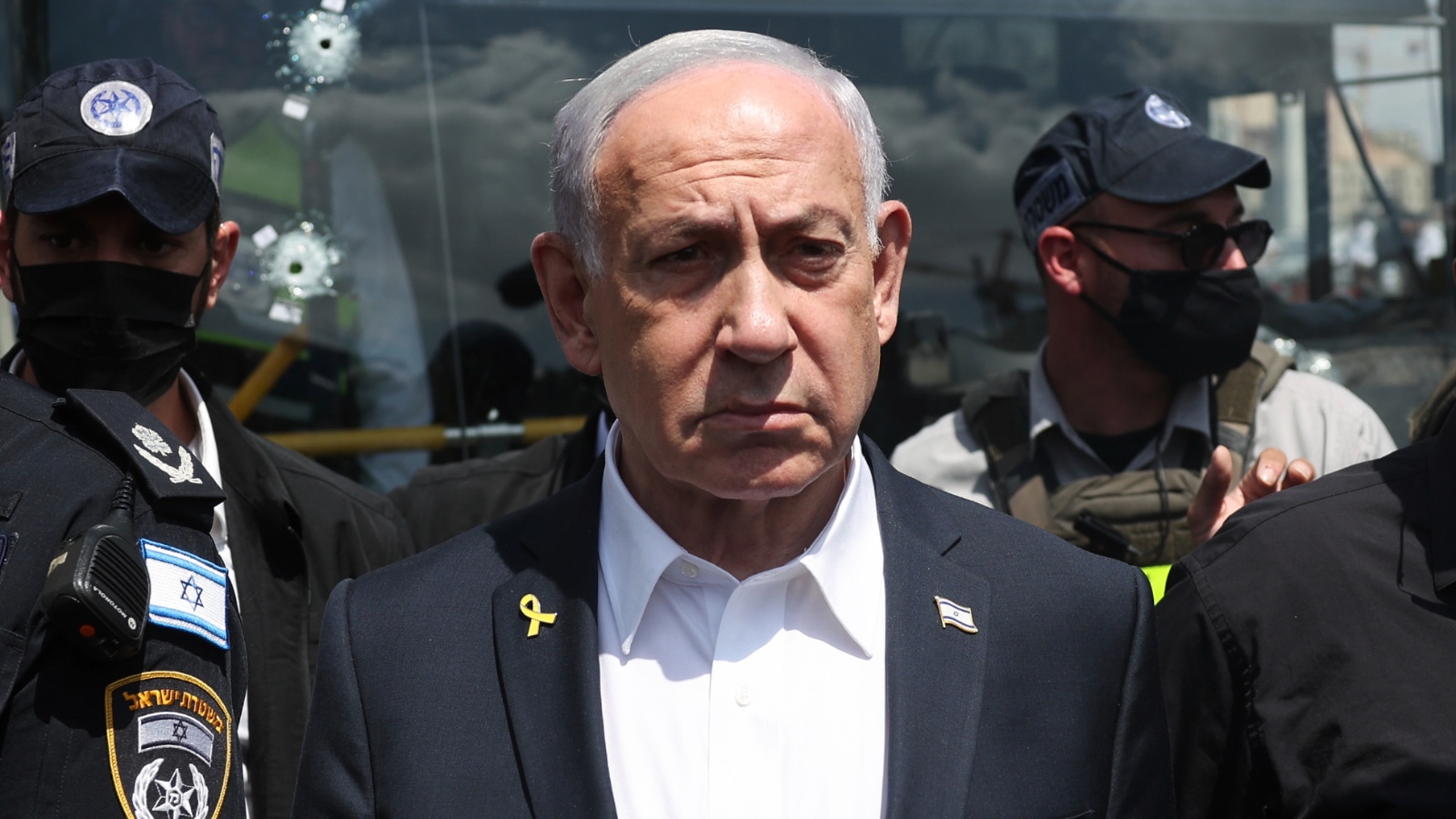
The United Arab Emirates (UAE) has issued a blunt rejection of reports claiming Prime Minister Benjamin Netanyahu conducted a secret, high-level visit to Abu Dhabi during the height of the current conflict. This official pushback addresses a whirlwind of regional speculation suggesting that Israel and its most prominent Arab partner in the Abraham Accords were coordinating a post-war strategy behind closed doors. While the UAE Ministry of Foreign Affairs characterized these claims as entirely baseless, the speed and intensity of the rumors reveal a much deeper anxiety. The regional stability depends on whether the 2020 normalization pact can survive the most brutal stress test in its short history.
The Friction Between Public Image and Private Necessity
Diplomacy in the Middle East often functions on two tracks that never touch. On the public track, the UAE has been vocal in its criticism of the humanitarian situation in Gaza. It has utilized its platform at the United Nations to demand immediate ceasefires and has funneled massive amounts of aid into the strip. On the private track, however, the geopolitical reality is far more complex. Abu Dhabi views the current instability as a direct threat to its long-term economic vision.
Netanyahu needs a win. His political survival at home is increasingly tied to showing that Israel is not isolated in the region despite the ongoing warfare. Rumors of a secret visit serve his narrative perfectly, suggesting that beneath the surface of heated rhetoric, the "business as usual" of regional integration continues. For the UAE, the calculation is the exact opposite. Any hint of a "historic breakthrough" while civilian casualties rise is a political liability that threatens its standing in the wider Arab world.
Why Abu Dhabi Disrupted the Narrative
The UAE’s reaction was not a mere formality. It was a calculated distancing. To understand why, one must look at the specific phrasing used by Emirati officials. They didn't just deny the meeting; they emphasized that their relationship with Israel is currently viewed through the lens of regional crisis management rather than celebratory expansion.
The Abraham Accords were built on the promise of a "New Middle East." This vision relied on the idea that economic prosperity and technological cooperation could sideline the Palestinian issue. The events of the past year have shattered that premise. By denying the Netanyahu visit, the UAE is signaling to its own population and its neighbors that it will not be used as a political prop for the Israeli government.
The Burden of the Abraham Accords
When the accords were signed, the UAE positioned itself as a bridge-builder. It was a gamble. Abu Dhabi bet that it could influence Israeli policy more effectively from the inside than from the outside. That bet is currently under fire. Critics argue that the normalization has provided Israel with a diplomatic shield, while proponents suggest that without these channels, the humanitarian corridors currently in place would not exist.
The reported visit was more than just a rumor about a plane landing on a tarmac. It was a symbol of the perceived complicity that the UAE is desperate to avoid. If Netanyahu had actually visited, the agenda would likely have skipped over pleasantries. It would have focused on the "day after"—who governs Gaza, who pays for the reconstruction, and how to prevent the conflict from igniting a broader war with Iranian proxies.
The Intelligence Gap and the Source of the Rumors
Investigations into how these stories gain traction often point to the fragmented nature of Israeli media and internal political leaks. In Jerusalem, the "secret trip" is a classic trope used to signal statesman-like gravitas. By leaking the possibility of a trip, certain factions can test the waters of public opinion or force the hand of an ally.
In this instance, the "leak" backfired. Instead of portraying a united front, it forced a public rejection that makes the relationship look more fractured than it perhaps is. Intelligence analysts in the region suggest that while face-to-face meetings between top-tier leaders are rare during active combat, the communication between security agencies remains constant. The coordination between the Mossad and Emirati intelligence hasn't stopped; it has simply gone underground.
The UAE is playing a long game. It has invested billions into a post-oil economy that requires a peaceful, integrated neighborhood. It cannot afford to tear up the Abraham Accords, but it also cannot afford to be seen shaking hands with a leader whose popularity is cratering across the globe. This creates a vacuum where rumors thrive.
Security Coordination vs Political Normalization
We must distinguish between the two types of engagement happening in the Gulf right now. There is the political normalization—the ribbons, the tourism, and the public investment—which is currently on ice. Then there is the security coordination. This is the "hard" side of the relationship.
Both Israel and the UAE share a fundamental threat perception regarding Iran’s regional influence. This shared fear is the bedrock of their tie. Even as the UAE condemns Israeli military actions, its military and intelligence apparatus continues to value the data-sharing and technological edge that comes with Israeli cooperation. A secret visit would have likely centered on the "Integrated Air and Missile Defense" (IAMD) systems that the UAE is keen to refine.
The Role of Washington
The United States remains the silent partner in every rumored meeting. The Biden administration has been pushing for a grand bargain that includes Saudi-Israeli normalization, which would fundamentally depend on the UAE’s existing framework remaining intact. If the UAE-Israel relationship collapses, the Saudi deal is dead on arrival.
Washington often encourages these "backdoor" meetings to keep the momentum of the Abraham Accords alive. However, the American influence is waning as regional players become more assertive in their own foreign policies. Abu Dhabi is no longer waiting for instructions from the State Department. It is making moves based on a cold assessment of its own national security.
The Day After Problem
Every discussion about secret meetings eventually lands on the same unsolvable puzzle: Gaza’s future. The UAE has been clear that it will not contribute to the reconstruction of Gaza without a firm, time-bound path to a Palestinian state. This is a non-starter for Netanyahu’s current right-wing coalition.
This fundamental disagreement is the real reason a "historic breakthrough" is currently impossible. You cannot have a breakthrough when the two parties are operating on entirely different maps of reality. Netanyahu wants an Arab security guarantee without political concessions. The UAE wants a political solution before it offers a security guarantee.
The Economic Fallout
Beyond the politics, the economic engines that were supposed to drive this relationship are stalling. High-profile tech summits and real estate ventures have been scaled back. While the trade volume hasn't hit zero, the "Gold Rush" mentality of 2021 has evaporated.
Investors are cautious. They see the UAE's denial of the Netanyahu visit as a sign that the political risk is currently too high. For a country that prides itself on being a safe haven for global capital, the association with a volatile conflict is bad for business. Abu Dhabi’s strategy is now one of containment—keep the existing ties functional but avoid any new, visible commitments that could draw fire.
The Verdict on the Secret Visit
Did he go? The weight of evidence suggests that if a meeting occurred, it was likely at the ministerial or security level, not a head-of-state visit. A Prime Ministerial visit involves too many moving parts, too much security, and too much potential for an embarrassing leak to be kept truly quiet in the modern era of flight tracking and satellite imagery.
The UAE's denial is the reality that matters. In diplomacy, a denied event is often as significant as a confirmed one. It sets the boundaries of what is acceptable. By slamming the door on the rumor, Abu Dhabi has drawn a line in the sand. It is telling Israel that the path to the Gulf no longer runs through military might alone; it requires a political shift that the current Israeli leadership seems unwilling to make.
The "historic breakthrough" isn't coming. At least, not yet. The region is currently in a defensive crouch, waiting for the dust of the war to settle. Until there is a fundamental change in the governance of the Palestinian territories or a shift in the Israeli cabinet, these secret visits will remain the stuff of tabloid speculation and political wishful thinking.
The UAE is focused on its 2030 goals, and those goals don't include being an accessory to a neighbor's political crisis. They will keep the lines open, they will keep the intelligence flowing, but they will not provide the photo-op that Netanyahu so desperately craves. The silence from Abu Dhabi is the loudest message of all.
Look at the flight paths. Watch the cargo ships. Ignore the headlines about secret handshakes and focus on the cold, hard reality of regional interests. The UAE is waiting for a partner it can actually stand next to in the light of day. Until then, the doors to the palace remain firmly shut.


:max_bytes(150000):strip_icc():focal(819x186:821x188)/Murdaugh-Family-e90854a716884d608fb6fd925e18d840.jpg)
