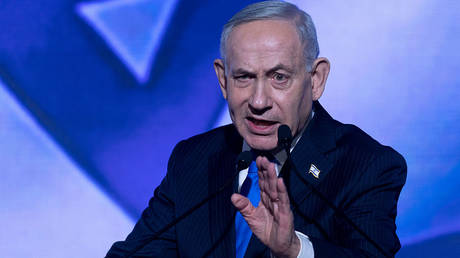
The headlines rolled in with predictable outrage. Stories circulated claiming that Israeli Prime Minister Benjamin Netanyahu allegedly pressed the United Arab Emirates to help suppress any prior knowledge concerning the October 7 attacks. The conventional narrative writes itself: a frantic leader scrambling to bury early intelligence warnings, leaning on foreign partners to sanitize the historical record.
It is a neat story. It is also entirely divorced from how modern statecraft operates.
The lazy consensus relies on a fundamental misunderstanding of how intelligence works in the twenty-first century. Critics want you to believe that high-stakes state secrets are fragile porcelain items needing constant concealment behind closed doors and foreign backchannels. They imagine frantic phone calls, whispered threats, and hurried diplomatic cover-ups.
Reality is far more mundane and, frankly, much more cynical. Modern intelligence failures do not require complex cover-ups because the sheer volume of noise in the global information ecosystem renders concealment redundant. When millions of signals flash across global networks every single second, an inconvenient warning memo does not need to be hidden in a foreign vault. It gets buried under the sheer weight of competing priorities, political inertia, and bureaucratic blindness.
Look at the mechanics of state intelligence. Agencies do not suffer from a lack of data; they suffer from analytical arrogance. Before any major strategic shock, warning signs are almost always present. Analysts flag them, mid-level bureaucrats ignore them, and leadership dismisses them because the incoming data contradicts their strategic posture. When the catastrophe finally hits, nobody needs to ask a Gulf state to cover up a prior warning. The system has already done the heavy lifting by normalizing the failure of imagination that allowed the blind spot to form in the first place.
Suggesting that a leader would look to an external partner like the UAE to manage domestic political fallout misunderstands the nature of modern alliances. The Abraham Accords were built on hard-headed economic and security calculus, not sentimental diplomacy or mutual blackmail over intelligence leaks. Nations do not jeopardize multi-billion-dollar technology, energy, and defense integration to act as a personal filing cabinet for a foreign premier's political survival. To think otherwise is to mistake geopolitical reality for a spy thriller script.
The deeper issue here is our cultural addiction to the grand conspiracy. We prefer to believe that catastrophic intelligence failures are the result of deliberate orchestration or sophisticated cover-ups because that implies control. It suggests that someone was at the wheel, even if they were steering toward disaster.
Accepting the truth is much more uncomfortable. The truth is that institutions fail because human beings become complacent, confirmation bias calcifies into policy, and complex systems break down under pressure. There was no grand conspiracy to suppress advanced warnings because the architecture of state bureaucracy ensures that warning signs are routinely dismissed long before anyone needs to manufacture an alibi.
Stop looking for the smoking gun in foreign capitals. The fire started at home, fueled by institutional arrogance and a collective refusal to look at uncomfortable realities when they first appeared on the screen.
The next time a sensational report claims a leader is scrubbing the ledger with foreign allies, remember what is actually happening. They are not hiding a secret. They are just surviving the wreckage of systems built to ignore the obvious.