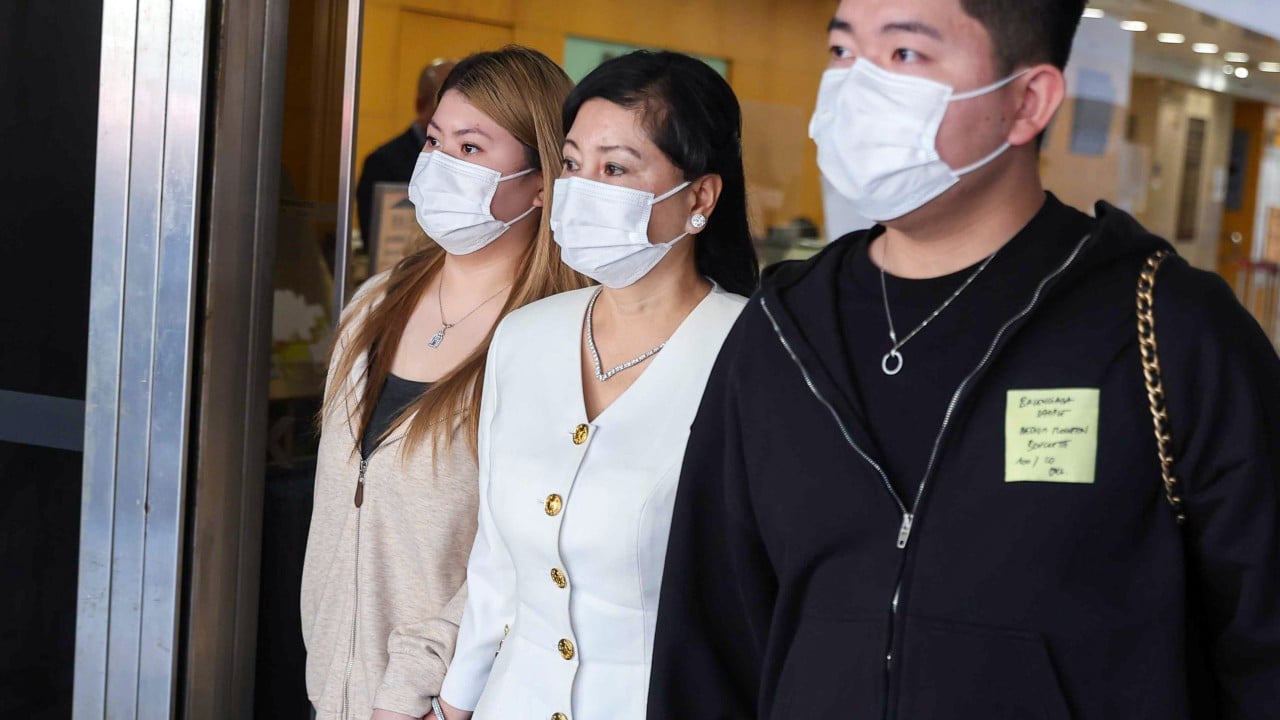
Money doesn't always buy safety. Sometimes, open-handed generosity becomes the exact leverage used against you. When Hong Kong socialite Abby Choi was brutally killed, it sent shockwaves across the globe, exposing a horrifying underside of extreme wealth, familial entitlement, and broken trust. Months of courtroom testimony have since pulled back the curtain on the financial web surrounding Choi and her former in-laws, laying bare a toxic dynamic of financial dependency that ultimately turned fatal.
At the center of the high-profile High Court trial are shocking revelations about how deeply Choi supported her ex-husband's family long after their marriage ended. Testimony from Choi's mother, Cheung Yin-fa, and partner, Chris Tam, painted a picture of a generous young woman whose kindness was systematically exploited. Among the most staggering financial details to emerge is that Choi poured HK$2 million into a waffle shop business for her former brother-in-law, Anthony Kwong. Recently making headlines lately: Regulatory Arbitrage in Automated Campaigning The Economic Mechanics of Political Robocalls and Artificial Intelligence.
The Price of Generosity
We often think of financial abuse happening behind closed doors between romantic partners. But this case highlights a much darker variant involving extended family networks. Choi didn't just fund a business venture; she sustained an entire lifestyle for people who viewed her success as their personal ATM.
Court hearings revealed that Anthony Kwong, labeled by prosecutors as deeply intertwined with the family's financial demands, received substantial backing. Yet, according to testimonies, this immense financial support did not breed gratitude. Instead, it bred a sense of entitlement. Choi's mother testified about the strained ties with Anthony and described a bitter battle over high-value real estate, including a luxury property at the Kadooria residential estate and plans for another multi-million dollar flat. Additional information into this topic are explored by NPR.
When a provider's generosity is met with demands for more, boundaries blur. Choi reportedly tried to navigate these treacherous waters by managing properties and attempting to sell assets, a move prosecutors argue directly triggered the lethal fallout. Her former father-in-law, Kwong Kau—described in court as the mastermind behind the property disputes—alongside other family members, allegedly grew hostile as their grip on her assets began to slip.
Unraveling the Web of Control
The courtroom drama has forced the public to confront uncomfortable truths about enabling financial predators. Witnesses detailed how Choi hid the full extent of her former in-laws' financial reliance from her current partner, a common survival tactic for abuse victims trying to keep peace within fractured family dynamics. She kept paying expenses, lending money, and funding ventures like the infamous waffle shop, hoping to manage the unmanageable.
It's a stark reminder that setting financial boundaries isn't just about protecting your bank account; it's about protecting your physical safety. When you fund someone's lifestyle indefinitely, you remove their incentive to build independence. Worse, you create a dangerous power imbalance where cutting off funds can trigger volatile reactions.
As the trial moves through its grueling phases with testimonies from various family members and co-accused, the legal system continues to dissect the mechanics of the tragedy. But the broader cultural lesson remains painfully clear. Generosity requires guardrails. Without boundaries, financial support can morph into a trap, transforming those you help into liabilities you can no longer escape. Watch who you bankroll, because unchecked entitlement rarely ends quietly.