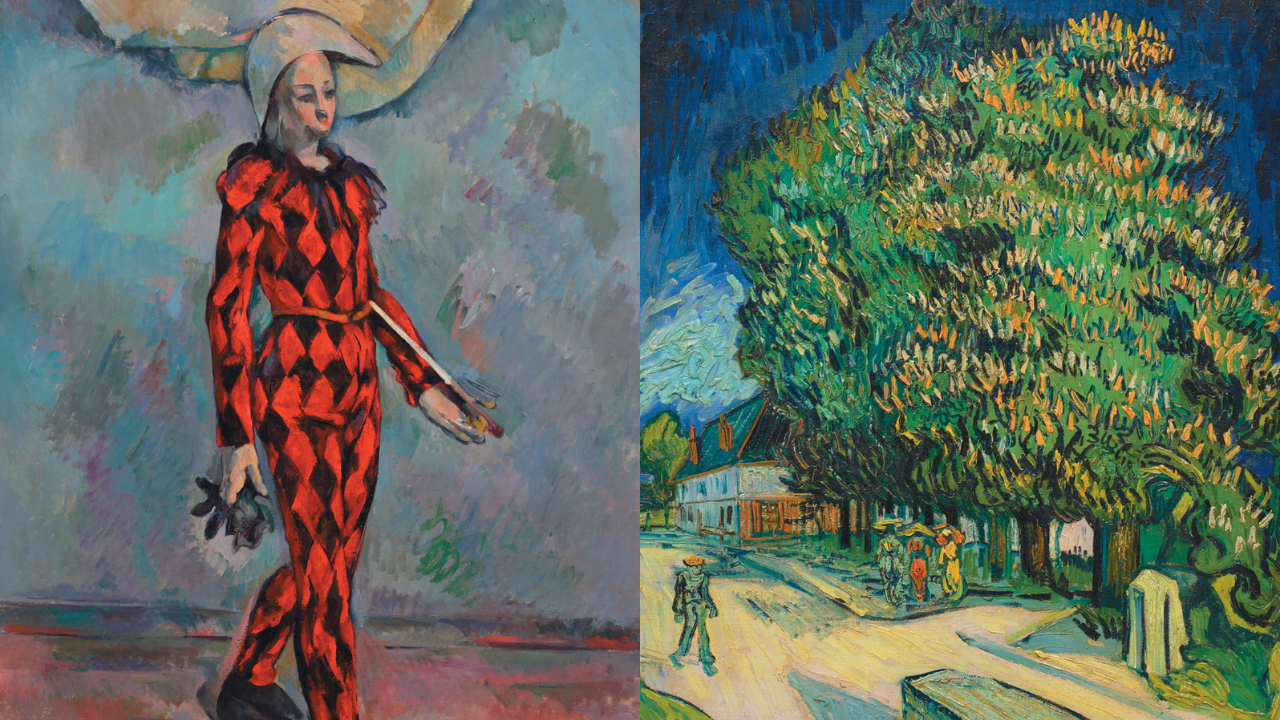
Twelve paintings locked away from public view for half a century are hitting the auction block with a staggering $450 million price tag. If you think private art collections are just dusty hoards kept by eccentric billionaires, this massive sale shatters that illusion completely. At the center of the offering sit a $180 million Vincent van Gogh and a $120 million Paul Cézanne. These aren't just decorative assets sitting in a climate-controlled vault. They are cultural milestones reappearing after decades of silence, and the art market is scrambling to reprice history.
When major troves like this vanish for fifty years, rumors swirl. Collectors whisper. Museums lobby behind closed doors. Then, suddenly, the estate releases them to the highest bidder. This specific collection proves that incredible art still lingers in private hands, shielded from public eyes by cautious heirs or intensely private owners. Let's look at why this sale matters right now, how secretive collections impact the broader market, and what you actually need to know about the pieces commanding these astronomical figures.
The Reality of Secret Collections and Market Shocks
Most people assume major masterpieces hang in the Louvre, the Met, or the National Gallery. They don't. A massive percentage of blue-chip art lives behind heavy security in Geneva freeports, private townhouses, and high-security vaults. Owners keep them hidden for tax reasons, security, or pure privacy.
When twelve works emerge at once, it creates a supply shock. You are dealing with multi-million-dollar assets that haven't faced price discovery in decades. The art market operates on scarcity. When a Van Gogh that hasn't seen daylight since the 1970s suddenly hits the auction catalog, rival buyers throw out their traditional valuation models. They pay whatever it takes to secure a trophy asset.
Museum curators hate this. They watch helplessly as billion-dollar funds and tech billionaires treat centuries of human expression like high-end real estate or cryptocurrency. But the auction houses love it. They build entire marketing campaigns around the mystery of the vault, hyping up the provenance to drive frantic bidding wars.
Breaking Down the Heavy Hitters
You cannot talk about a $450 million price ceiling without looking at the anchor pieces. The Van Gogh alone commands $180 million, placing it in an elite tier of global art sales.
Van Gogh's market defies normal economics. During his lifetime, he sold practically nothing. Today, a canvas carrying his signature acts as a reserve currency for the ultra-wealthy. When a piece from a private collection emerges with pristine provenance and zero public exhibition history, its value skyrockets simply because it is fresh to the market. Buyers crave novelty, even when the artist died over a century ago.
Then there is the Cézanne, pegged around $120 million. Cézanne changed how the world painted. His structural brushwork paved the way for Cubism and modern abstraction. Owning a major Cézanne is a statement of intellectual and financial dominance. The remaining ten works in the collection—spanning other heavyweights of the 19th and 20th centuries—fill out the rest of the $450 million valuation.
Why Private Collectors Hide Masterpieces for Decades
People ask me how someone can own a Van Gogh and just leave it in a dark room for fifty years. The answer comes down to control and asset protection.
First, security costs astronomical sums. Transporting, insuring, and climate-controlling a museum-grade painting requires military-level logistics. Many owners choose obscurity over public display to avoid theft targets.
Second, tax strategies dictate a lot of these timelines. Heirs often inherit massive estates packed with art. Passing assets through probate, managing estate taxes, and timing the sale correctly can take decades. Families wait for the right macroeconomic climate. They wait for liquidity peaks when billionaires have excess capital to burn.
Third, ego plays a quiet role. There is immense power in exclusivity. Knowing you own a masterpiece that nobody else can see or photograph gives certain collectors a quiet thrill. Once it sells, that private magic vanishes, replaced by a public record of ownership.
What This Sale Means for Future Art Collecting
The massive price tags attached to these twelve paintings send a clear signal to the rest of the art world. Traditional fine art remains a formidable hedge against economic turbulence, outperforming many standard equities during times of inflation.
If you are watching the high-end market, pay attention to how the auction house structures the sale. They won't just throw these pieces into a standard Tuesday night auction. They will orchestrate a global roadshow, flying the canvases to Hong Kong, London, and New York. They will wine and dine ultra-high-net-worth individuals in private viewings.
Art at this level isn't bought on impulse. It's a calculated financial maneuver disguised as a cultural appreciation. When the hammer finally drops on that $180 million Van Gogh, it won't just mark the sale of a painting. It will cement a new baseline for what the world is willing to pay for tangible history. Keep an eye on the final tally. The numbers might just rewrite the record books.


