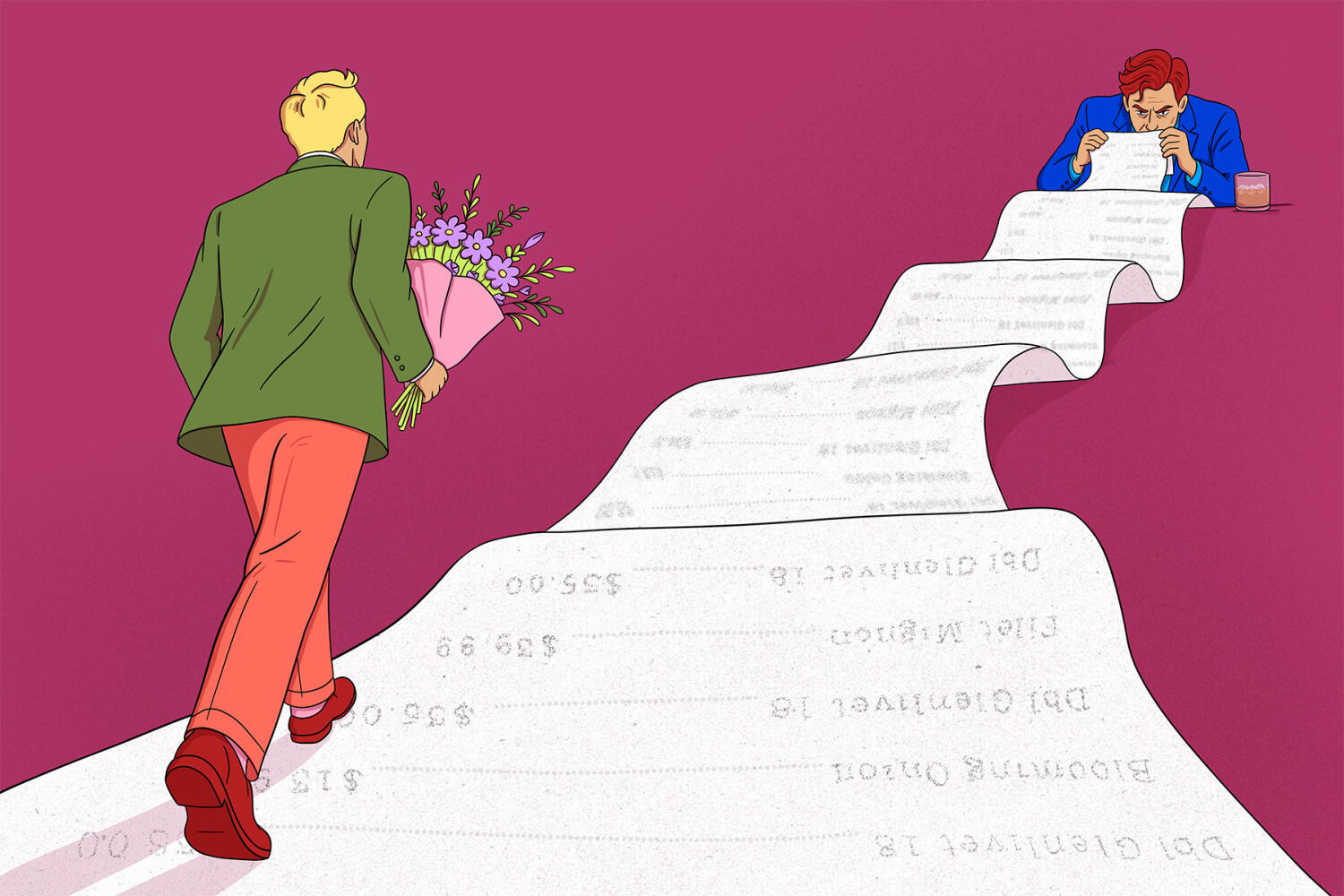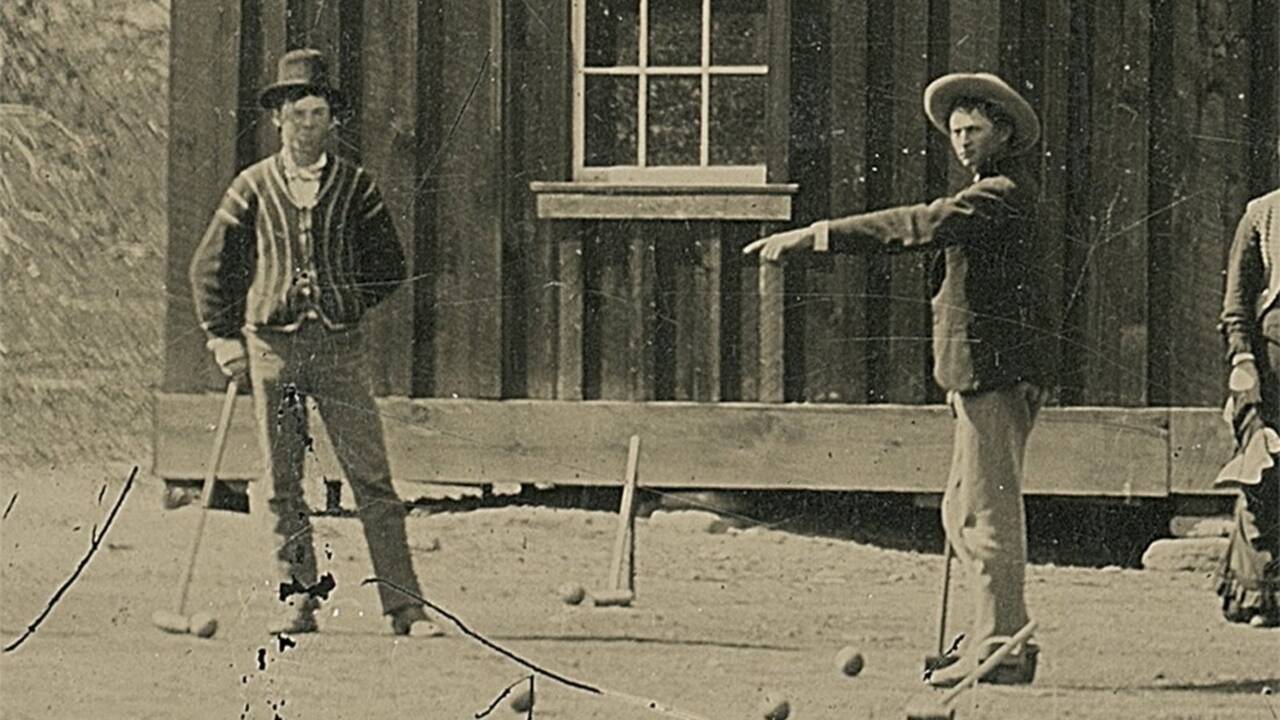
A $2 photo of Billy the Kid valued at $5M sounds like every flea-market hunter's wildest dream come true. You dig through a dusty cardboard box in Fresno, California, drop a couple of bucks on a faded tintype, and suddenly people are talking about millions.
Hold on. Not so fast.
When collector Randy Guijarro bought that 4-by-5-inch tintype for $2 in 2010, the story had everything an internet headline craves. Proponents claimed it showed William H. Bonney—better known as Billy the Kid—and members of the Regulators hanging out and playing croquet in New Mexico in 1878. An Americana firm backed the identification, insurance figures hit $5 million, and a television special put the find in the spotlight.
Yet there's a big catch that breathless viral posts usually gloss over. Plenty of seasoned historians and photo experts aren't convinced that young man holding a croquet mallet is Billy the Kid at all. A valuation or insurance estimate isn't the same thing as universal historical consensus.
Why a $2 Billy the Kid Photo Draws Millions in Attention
Outlaw memorabilia sits in a unique corner of the collecting world. Because photography was expensive, bulky, and slow in the 1870s American Southwest, genuine photographs of famous frontier figures are scarce.
Compare that scarcity to the famous tintype portrait of Billy the Kid taken around 1879 or 1880 in Fort Sumner, New Mexico. For generations, that image stood as the gold standard—the one photograph with widely accepted provenance. When it sold at auction in Denver in 2011 for $2.3 million to billionaire collector William Koch, it shattered expectations that had pegged it closer to a few hundred thousand dollars.
That sale changed the temperature in the room. Suddenly, any weathered tintype with a roughly similar jawline or slouchy hat became a potential lottery ticket. When Guijarro's croquet tintype went public in 2015 with a $5 million valuation, people wanted to believe lightning had struck twice in a Fresno junk shop.
Honestly, it's easy to see why the story took off. A kid from a rough background turned folk legend, caught off guard at a casual game instead of posing stiffly in a studio. It feels intimate. It feels surprising.
How Experts Actually Authenticate a 19th-Century Tintype
If you ever stumble across an old metal plate at an estate sale, don't let excitement rush your judgment. Real authentication takes years of slow, unglamorous detective work.
Specialists don't rely on gut instinct or side-by-side wishful thinking. They look at several layers of evidence:
- Physical medium and plate characteristics: A genuine tintype is a direct-positive image made on a thin sheet of dark-enameled iron or metal, not paper. Experts inspect corner cuts, edge wear, oxidation, and chemical aging patterns that match 19th-century darkroom practices.
- Facial geometry and proportions: In historical portraiture, analysts compare fixed anatomical landmarks—eye spacing, ear shape, nose bridge, and jawline angles—while accounting for lens distortion and camera angle.
- Clothing, props, and setting: Hats, vests, boots, weapons, and outdoor backgrounds have to line up with the era and region. An anachronistic garment or odd detail can sink a claim fast.
- Provenance: Where has the object been since the day it was made? A documented chain of ownership beats a vague hunch every single time.
Even when a tintype is proven to be genuinely from the late 1870s or early 1880s, dating it to a specific town or identifying a specific person in a group shot is a much taller hurdle. Many anonymous frontier residents shared similar styles of dress and similar young, weathered faces.
Where the Skepticism Comes From
Whenever a multimillion-dollar tag attaches to a disputed historical image, pushback follows quickly. Critics and historians raise fair questions about facial matching across grainy, low-resolution 19th-century plates, especially when subjects aren't staring straight into a studio lens.
There's also a practical reality in the collectibles market. Valuation and sale price aren't twins. An appraisal or insurance figure reflects what someone estimates an item might bring under certain conditions, whereas an auction hammer price reflects what a real buyer is willing to wire money for on a specific day.
Since the 2011 record sale, supposed "new" photos of Billy the Kid have popped up regularly, fueling excitement and skepticism in equal measure. Without rock-solid provenance tying a plate straight back to New Mexico around the Lincoln County War era, doubts linger. That tension—between a thrilling discovery and cautious scholarship—is part of why the story refuses to fade.
Mistakes Collectors Make With Vintage Photos
Watching viral windfall stories makes plenty of people overconfident. I've seen folks assume every dark metal plate in a box is a tintype, or treat a casual resemblance to a famous face as proof of identity.
Here are the traps that trip buyers up most often:
- Confusing old with rare. Plenty of 19th-century portraits are genuine antiques, yet worth relatively modest sums because the sitters are unknown ordinary people.
- Trusting dramatic backstories without receipts. A seller's tale about an attic or a dusty shop means very little without paper trails, markings, or independent verification.
- Ignoring condition and restoration. Scratches, heavy flaking, or aggressive cleaning can hurt both historical value and collector appeal.
- Relying on AI or casual screen comparisons. Zooming in on your phone and deciding two faces look alike isn't forensics.
Smart Next Steps If You Find an Old Photo
If you ever pick up an intriguing vintage photograph or find one tucked inside a family trunk, treat it like fragile history rather than instant cash.
First, handle it by the edges with clean hands and keep it out of direct sunlight, damp basements, or hot attics. Slip it into an archival-safe sleeve rather than pressing tape or stickers near it.
Second, document everything you know about where it came from—the town, the shop, the date of purchase, and any writing on the back or casing. If you suspect it has real historical weight, get high-resolution scans and consult a reputable Americana auction house, historical society, or established photo archivist before making bold claims or spending big on appraisals. Even if it turns out to be a mystery stranger rather than an outlaw legend, you still hold a real slice of the past.