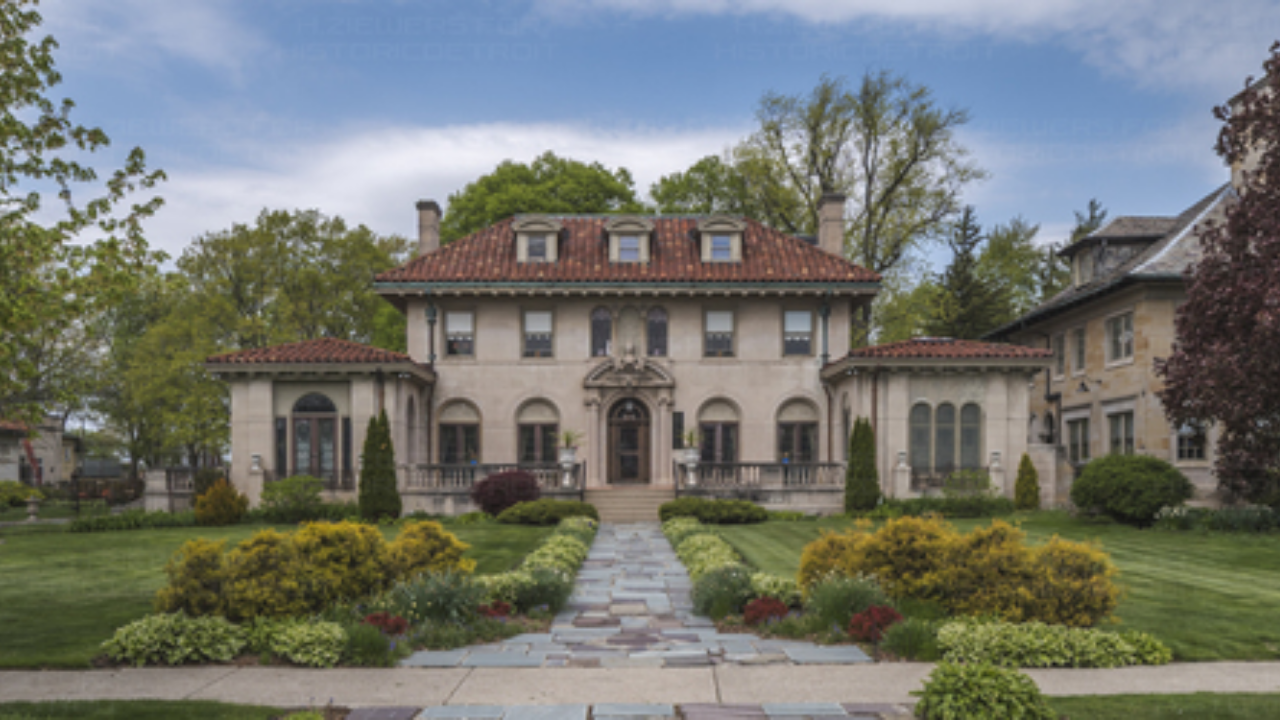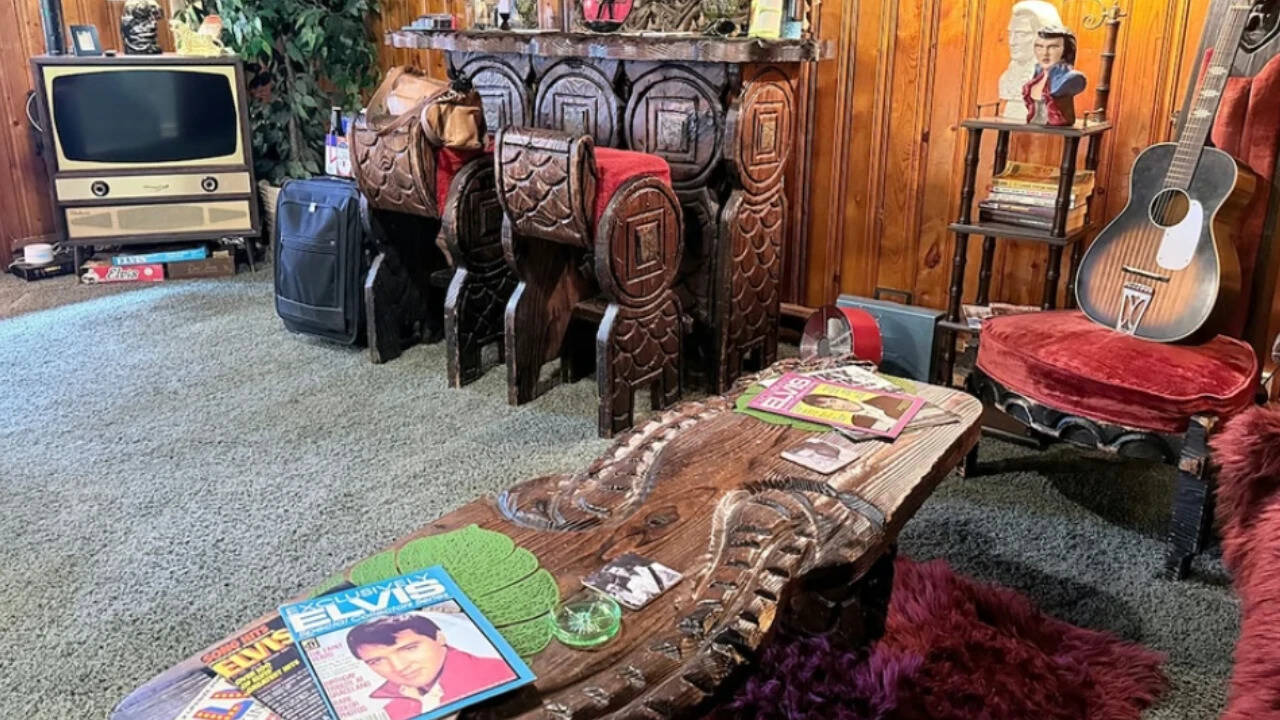
The headlines rolled across local newsfeeds with predictable theatrical flair. An unyielding Elvis Presley devotee dropped $150,000 on a Graceland-inspired residential property, complete with a King-themed interior and an unconventional business plan to monetize the backyard via vintage caravans. To the casual observer, it read like a quirky human interest piece about fandom taken to its logical extreme.
Look past the velvet drapes and gold-plated fixtures, and a starkly different narrative emerges. This transaction is a masterclass in modern asset positioning, neighborhood friction, and the relentless scramble for yield in a strained housing economy. Meanwhile, you can read related stories here: Why Michele Bullock is Dead Wrong About AI and Productivity.
When an eccentric purchase intersects with municipal zoning laws and short-term rental saturation, the result is rarely just a quirky lifestyle choice. It becomes an economic stress test.
The Arithmetic of Obsession
Let us address the primary financial mechanics immediately. A $150,000 capital outlay for a themed residence sounds modest in an era of hyper-inflated urban housing markets. Yet, that figure represents only the initial barrier to entry. The true cost of transforming a suburban footprint into a commercial hybrid operation involves structural retrofitting, localized aesthetic customization, zoning compliance fees, and the acquisition and outfitting of backyard caravans. To understand the bigger picture, we recommend the detailed analysis by The Wall Street Journal.
Fans often underestimate the friction of turning residential property into a hybrid hospitality venture. Real estate markets do not price emotional attachment into appraisals. A custom jungle room motif or a replica of the jungle gates does not guarantee a higher resale value when the property eventually returns to the conventional market. In fact, hyper-specific thematic remodeling frequently acts as a financial deterrent for mainstream buyers.
The strategy relies entirely on cash flow generation from alternative sources. Enter the caravans.
Backyard Caravans and the Zoning Minefield
The plan to rent out retrofitted caravans parked in the backyard of a Graceland-themed suburban home is where the enthusiast's dream collides with administrative reality. Municipal housing codes are notoriously rigid regarding accessory dwelling units, unauthorized RV living, and commercial short-term lodging in low-density residential zones.
Operating a makeshift boutique campground behind a suburban home invites immediate regulatory scrutiny. Neighborhood associations do not typically look kindly upon transient foot traffic, shared sanitation logistics, and commercial vehicular turnover in areas designated for single-family tranquility.
The financial logic behind the caravans is straightforward. Traditional long-term leasing yields predictable, capped monthly returns. Short-term tourism hospitality promises higher nightly rates, particularly for a niche market fueled by Memphis pilgrimage tourism. Elvis fans descend upon Graceland by the hundreds of thousands annually, searching for immersive proximity to the King's legacy. Positioning a themed lodging option within shouting distance of the estate creates an undeniable marketing hook.
Capturing that tourism revenue requires navigating a gauntlet of permits, insurance riders, and neighborly diplomacy. If the regulatory hammer drops, the entire monetization model collapses overnight, leaving the investor holding an illiquid, highly stylized property with carrying costs that exceed local rental averages.
The Memphis Market Context
To understand why someone makes this financial gamble, one must examine the broader economic landscape of Memphis real estate. Pockets surrounding major cultural landmarks often experience severe economic bifurcation. While downtown revitalization projects and tourist corridors attract heavy investment, adjacent residential neighborhoods face chronic cyclical neglect, fluctuating property values, and security concerns.
Buying property near Elvis Presley Boulevard is a speculative play. Investors gamble that cultural tourism will permanently anchor property values against broader regional downturns. Sometimes that bet pays off through steady commercial appreciation. Other times, investors find themselves trapped in micro-markets where tourism traffic brings congestion and noise without driving sustained, high-income neighborhood development.
The superfan buying this property is operating on dual tracks. They are fulfilling an emotional life goal while attempting to leverage the unique gravity of the Graceland brand to subsidize the investment. It is an aggressive gamble on experiential tourism staying resilient despite broader economic headwinds.
The Reality of Niche Hospitality
The short-term rental landscape has matured past the wild-west era of easy passive income. Travelers now demand hotel-grade reliability wrapped in authentic local flavor. A caravan parked behind a Presley-themed house offers the latter in spades, but the former remains an operational hurdle.
Managing guests, maintaining vintage trailers against weather wear, handling turnover logistics, and maintaining platform ratings require active labor. This is not passive investment income. It is a hospitality micro-business operating out of a backyard.
The margins in niche tourism can be volatile. Seasonality plays a massive role in Memphis tourism, with visitor numbers peaking during Elvis Week in August and dropping significantly during winter months. A business model dependent on warm-weather caravan rentals must survive months of lean occupancy while fixed mortgage and maintenance costs remain static.
Beyond the Spectacle
Media coverage loves a good novelty story. We devour tales of obsession, transformation, and eccentricity because they offer an entertaining escape from the mundane mechanics of daily commerce.
Strip away the gold record replicas and the faux-leather jumpsuits, and this $150,000 venture is a calculated risk. It tests the limits of residential commercialization, the viability of experiential micro-lodging, and the tenacity of a buyer willing to stake capital on the enduring commercial power of a twentieth-century pop culture icon.
Whether this property becomes a lucrative boutique retreat or a cautionary tale of over-customization depends entirely on regulatory endurance and market appetite. The King may have left the building decades ago, but the hustle around his legacy remains as aggressive as ever.